Project Origins
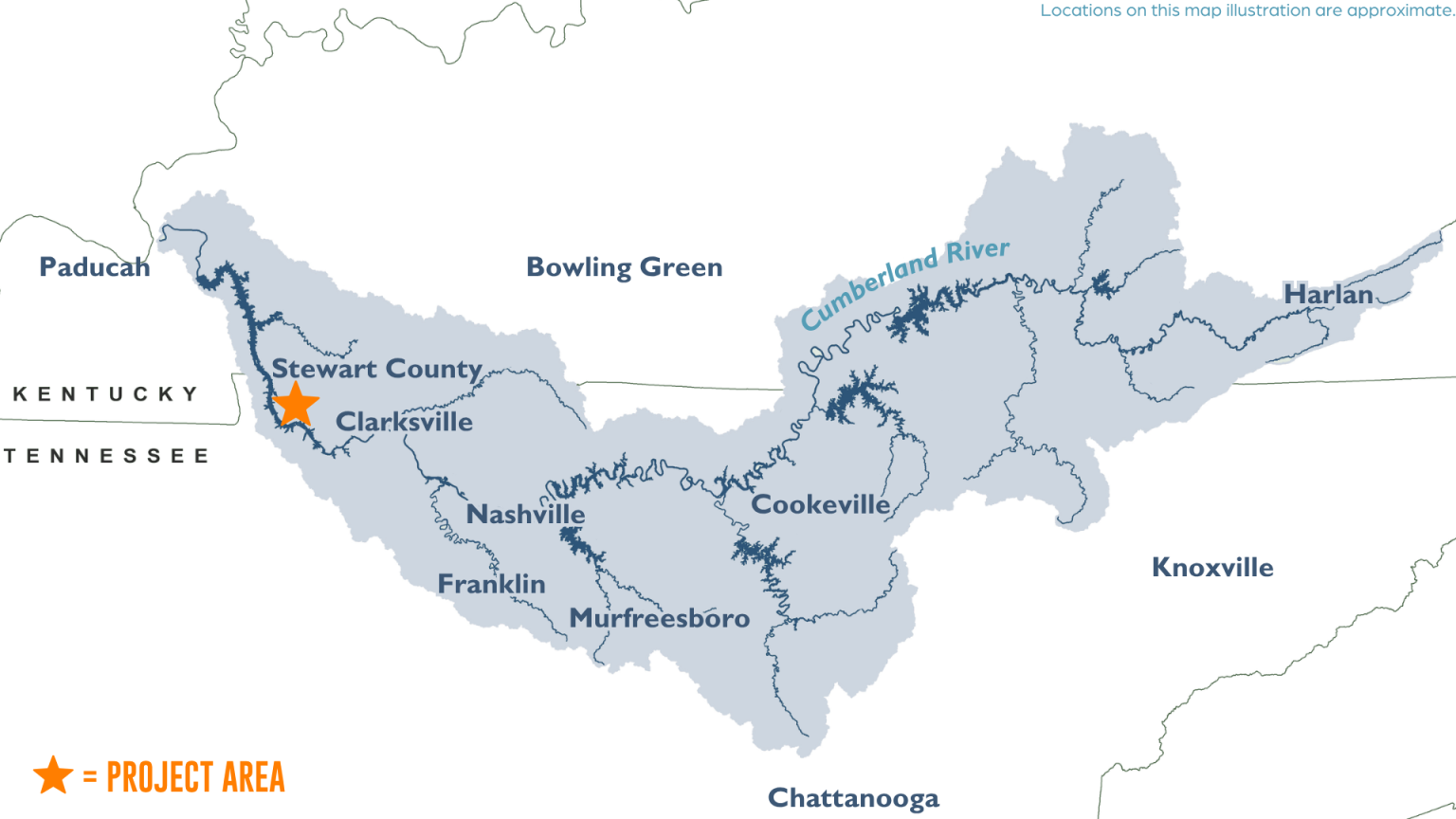
The Saline Creek Stream Restoration Project is located on a 120 acre farm, which was purchased by Westervelt Ecological Services (WES) in 2020. Around the time of purchase, WES approached the Compact about the possibility of partnering on ecological restoration at the site.
Across many decades, the natural features of the land had been altered to maximize the farm’s agricultural potential. Streams had been moved and straightened, stream banks had been cleared of vegetation, wetlands had been drained, and the site’s water quality and native habitat degraded. For some time, ecological health hadn’t been the focus, but now we had an opportunity to make it foremost – to restore the natural features of the site and protect them in perpetuity.
Numerous protected areas are nearby: the Saline Creek Public Use Area, Bumpus Mills Recreation Area, Bear Creek Waterfowl Management Unit, and Barkley Wildlife Management Area. The Compact and WES saw an opportunity to execute a first-of-its-kind stream restoration project in this ecologically unique area – a project whose benefits will be multiplied by proximity to the existing protected areas close by. In 2021, the Compact entered into partnership with WES and began the work.
Project Timeline
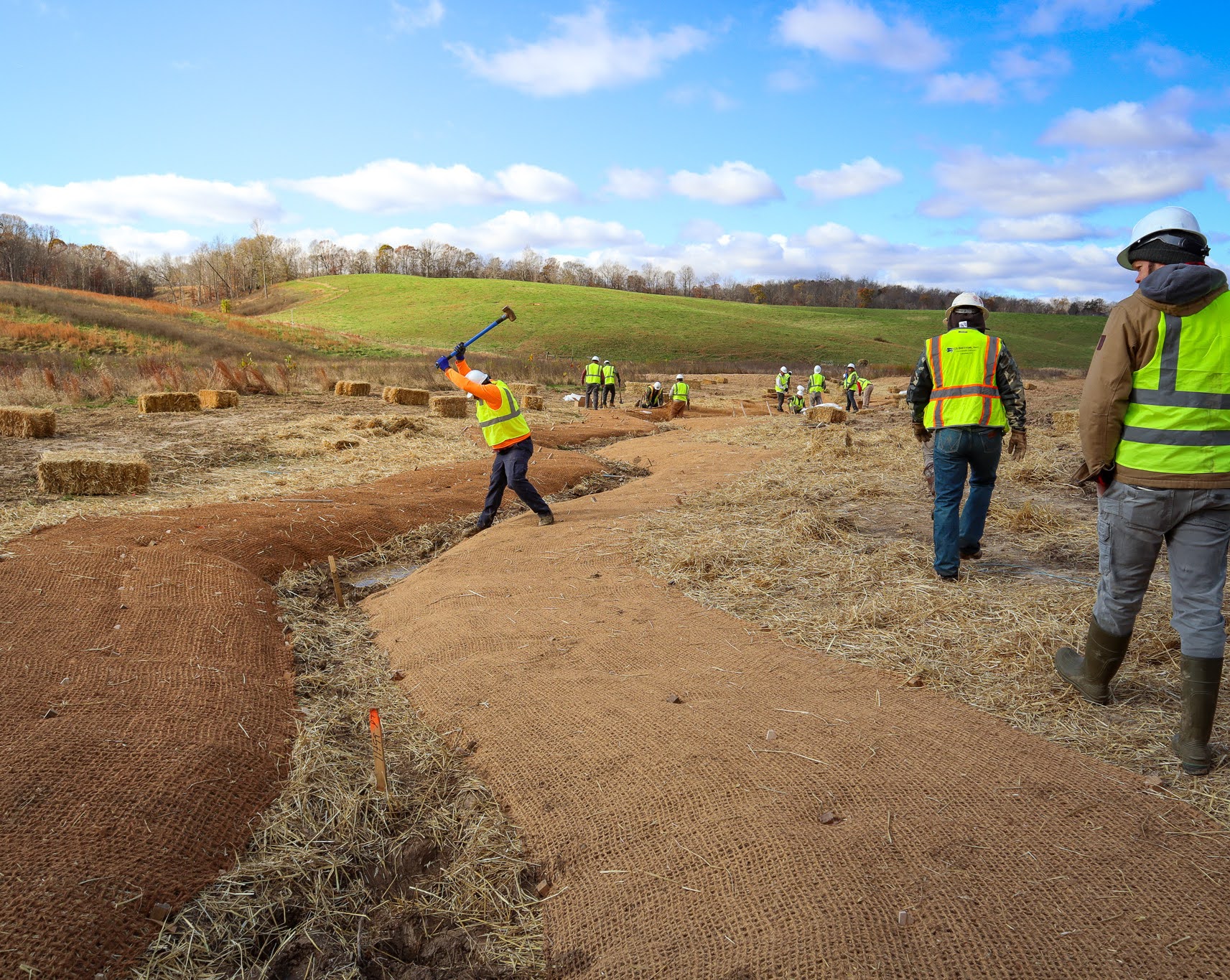
Prior to construction, all streams and streamside areas were carefully surveyed and assessed for ecological health. Years of planning and design work occurred to ensure that the project’s construction impacts would be far outweighed by future ecological gains. In November 2024, we broke ground.
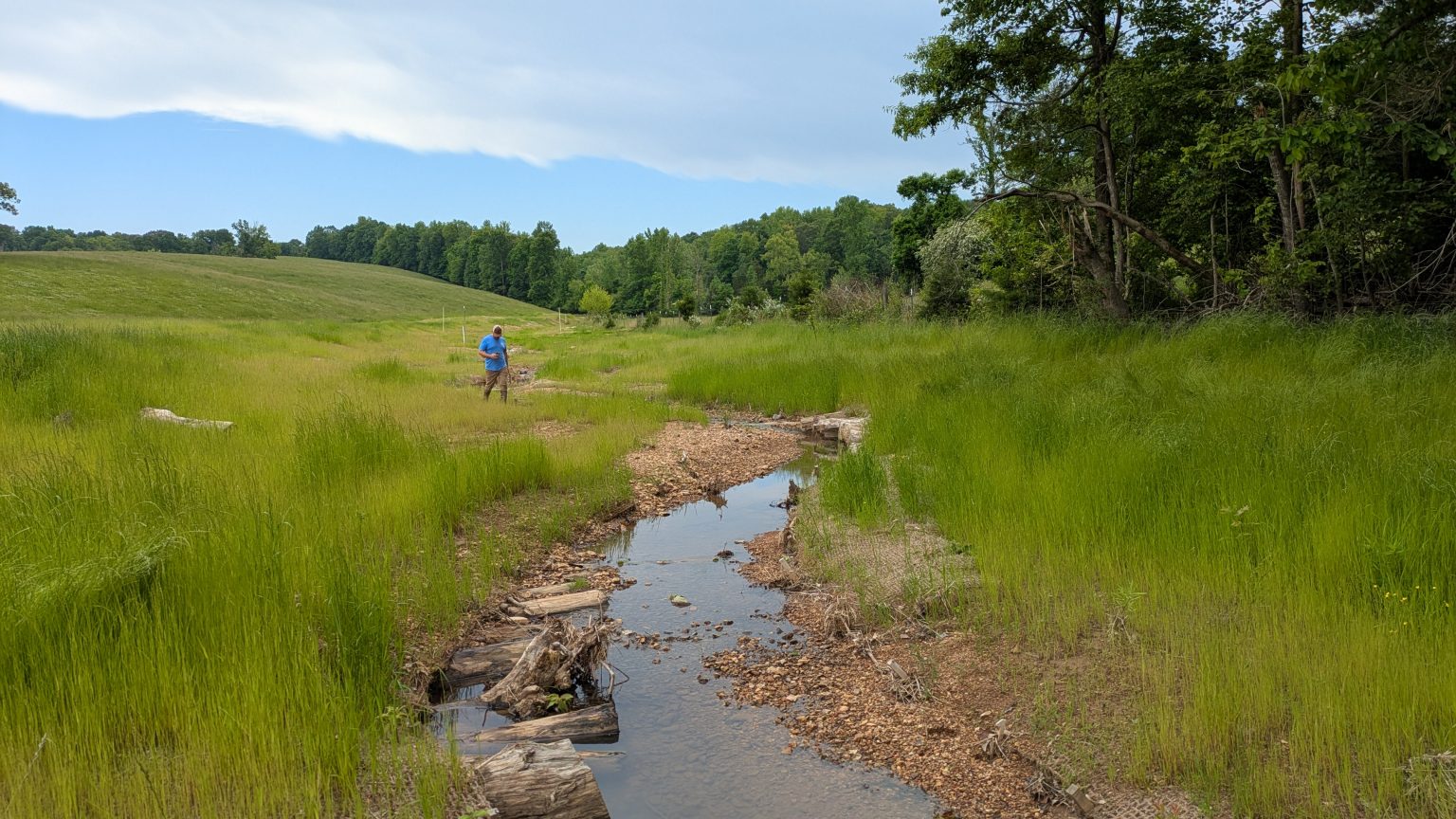
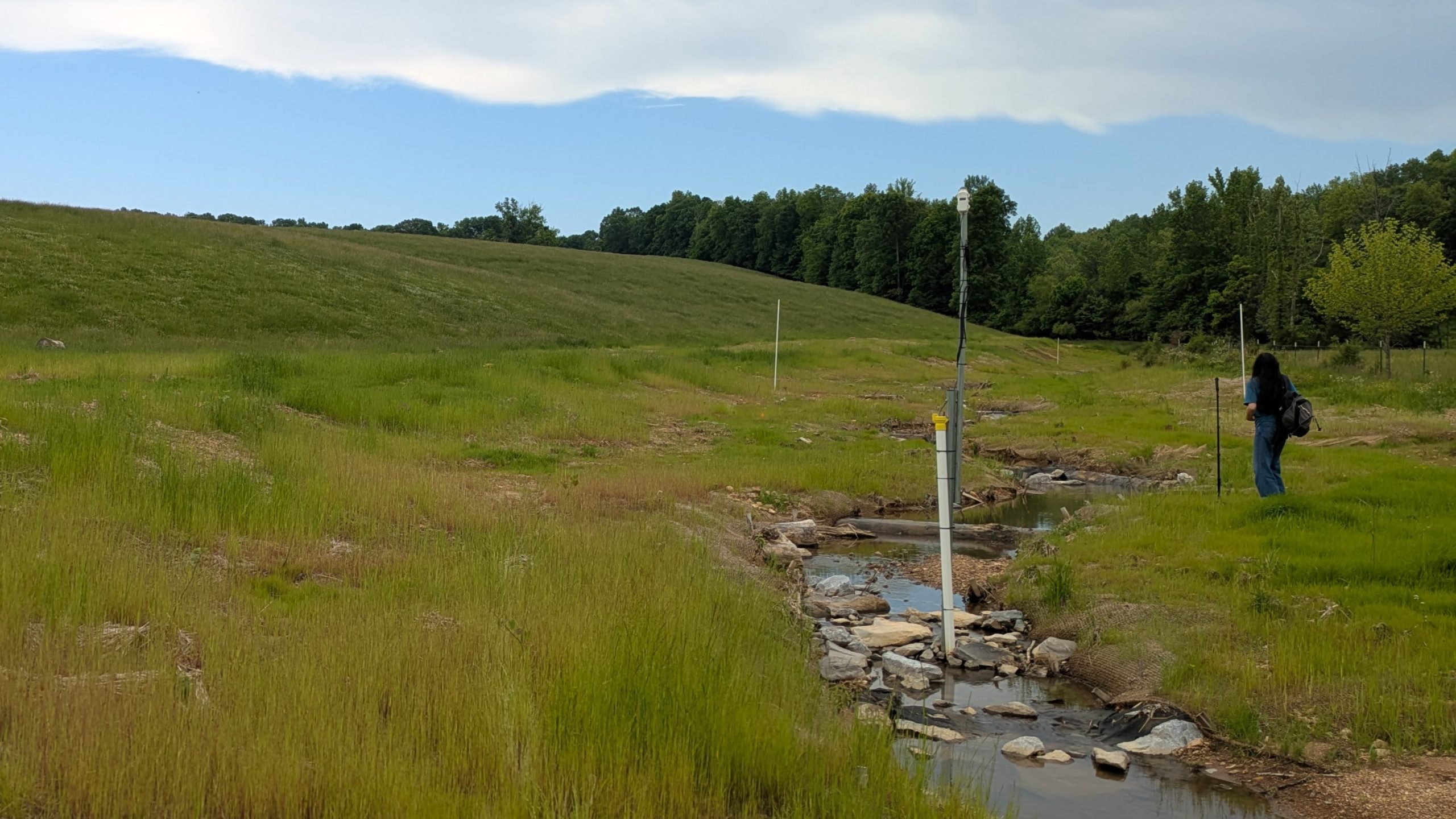
The construction team followed design plans that precisely and intentionally mimicked conditions found in the Western Highland Rim’s healthiest waterways. Natural materials (much of it sourced onsite) were used to build small steps and pools along steep segments of the stream – and riffles and pools along gentler grades. Where possible, the stream beds were raised to reconnect deeply eroded channels with their historic floodplains.
Over 7,200 native trees and shrubs were planted along stream banks and across the floodplain, representing 16 different species. Around 500 lbs of native seed was sown in these areas as well, representing 12 different species of wildflowers and grasses.
Results and Ongoing Maintenance
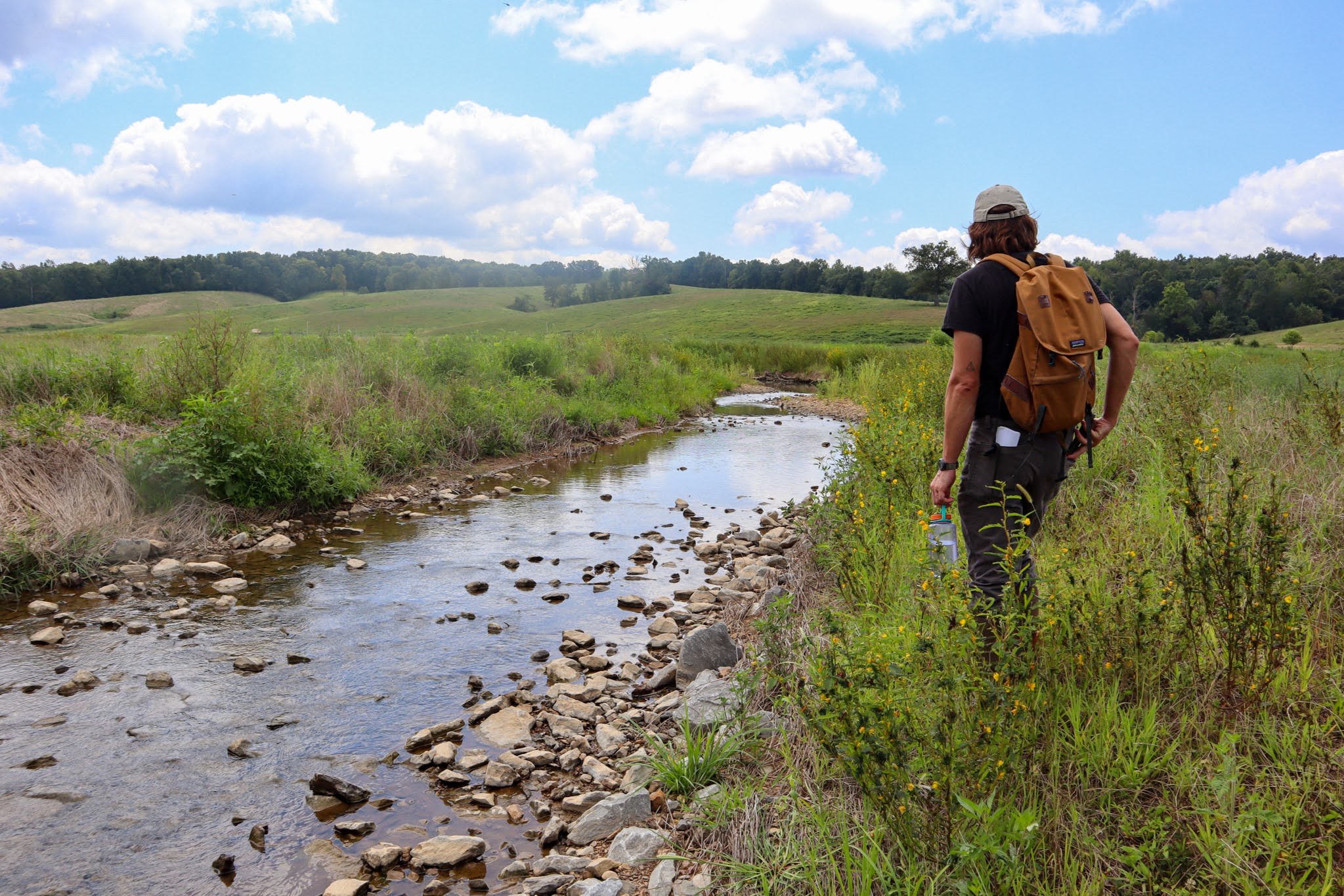
Visiting the site today, you’ll find increasingly thick, native vegetation and streams that are free of excess sediment, pathogens, and other pollutants. As planted trees, shrubs, flowers and grasses mature, the decades-long process of erosion and bank collapse has been halted and ecological conditions are on a dramatic upswing. The project’s habitat makes for a birder’s paradise – where, on a single day, you can find quail, orioles, tanagers, grosbeaks, buntings, egrets, and more.
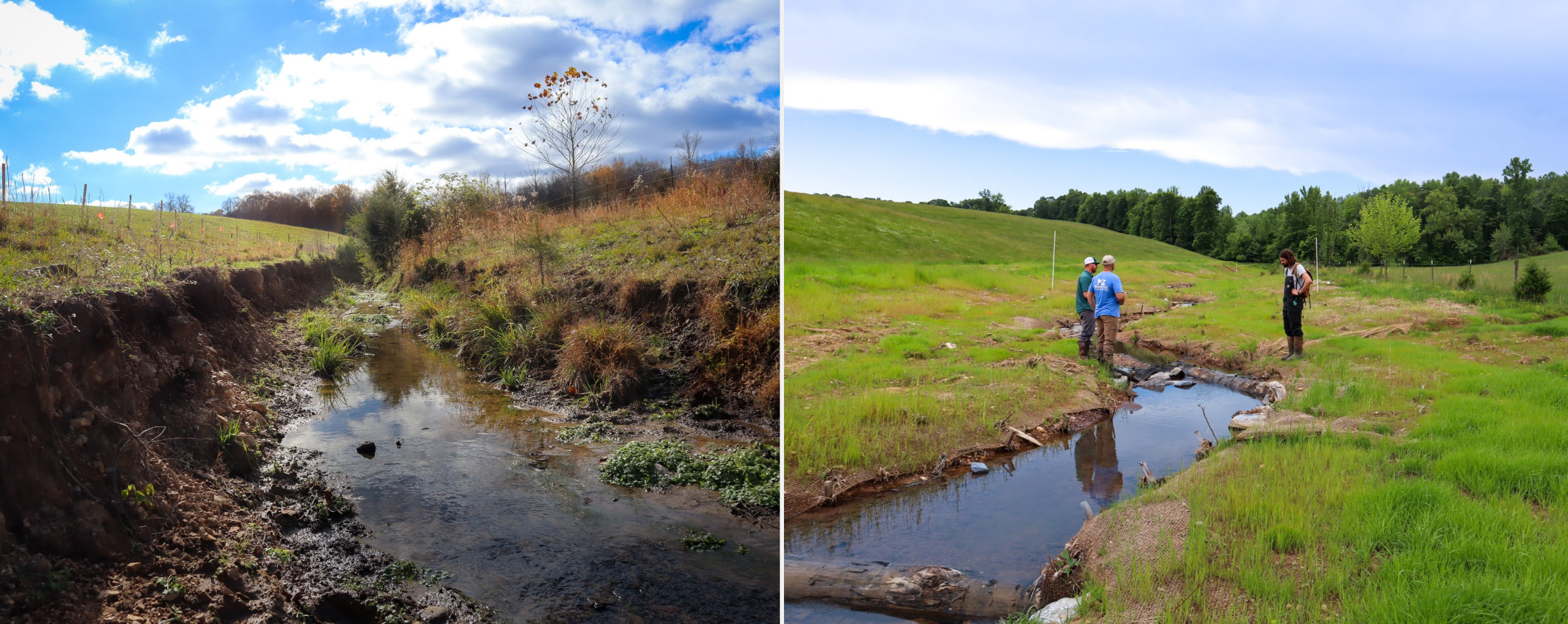
Following construction, conditions at Saline Creek are being monitored for seven years to ensure that a diverse, natural ecosystem develops according to plan. If anything goes wrong, the Compact will perform additional maintenance (like invasive plant removal or remedial construction) to rectify the issue.
This project connects in multiple places to two additional restoration projects on the same property – the Hayes Fork Creek Mitigation Site and the Bumpus Mills Wetland Mitigation Bank, both established in previous years by Westervelt Ecological Services. In total, the three sites include over 8,200 feet of stream restoration, over 20 acres of wetland restoration, and over 44 acres of restored area in total (streams, streamside areas, and wetlands).
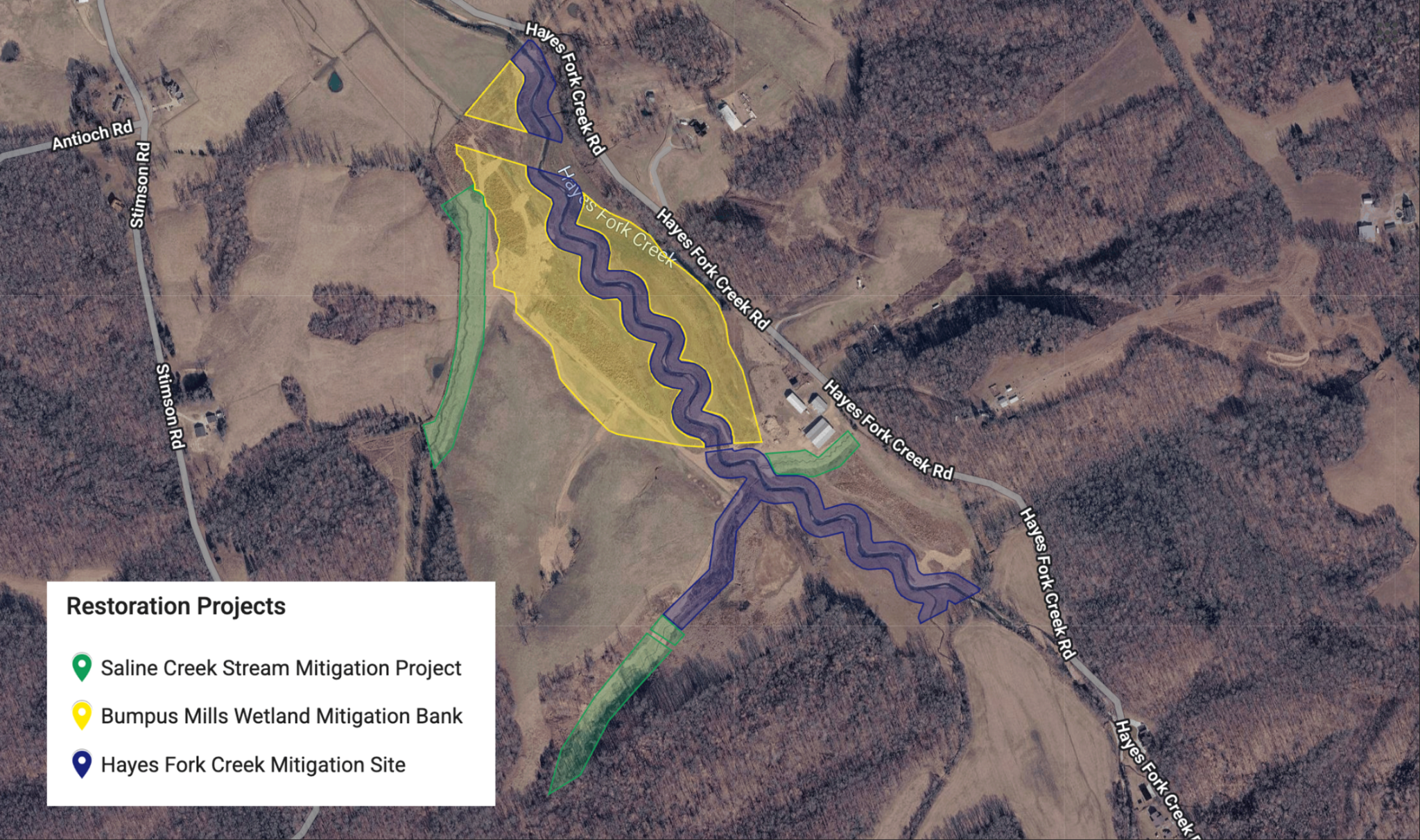
The Compact will protect and monitor all 44 acres in perpetuity through our accredited Land Trust program, ensuring that these restoration projects will continue to benefit the land nearby and the waters downstream for generations to come.